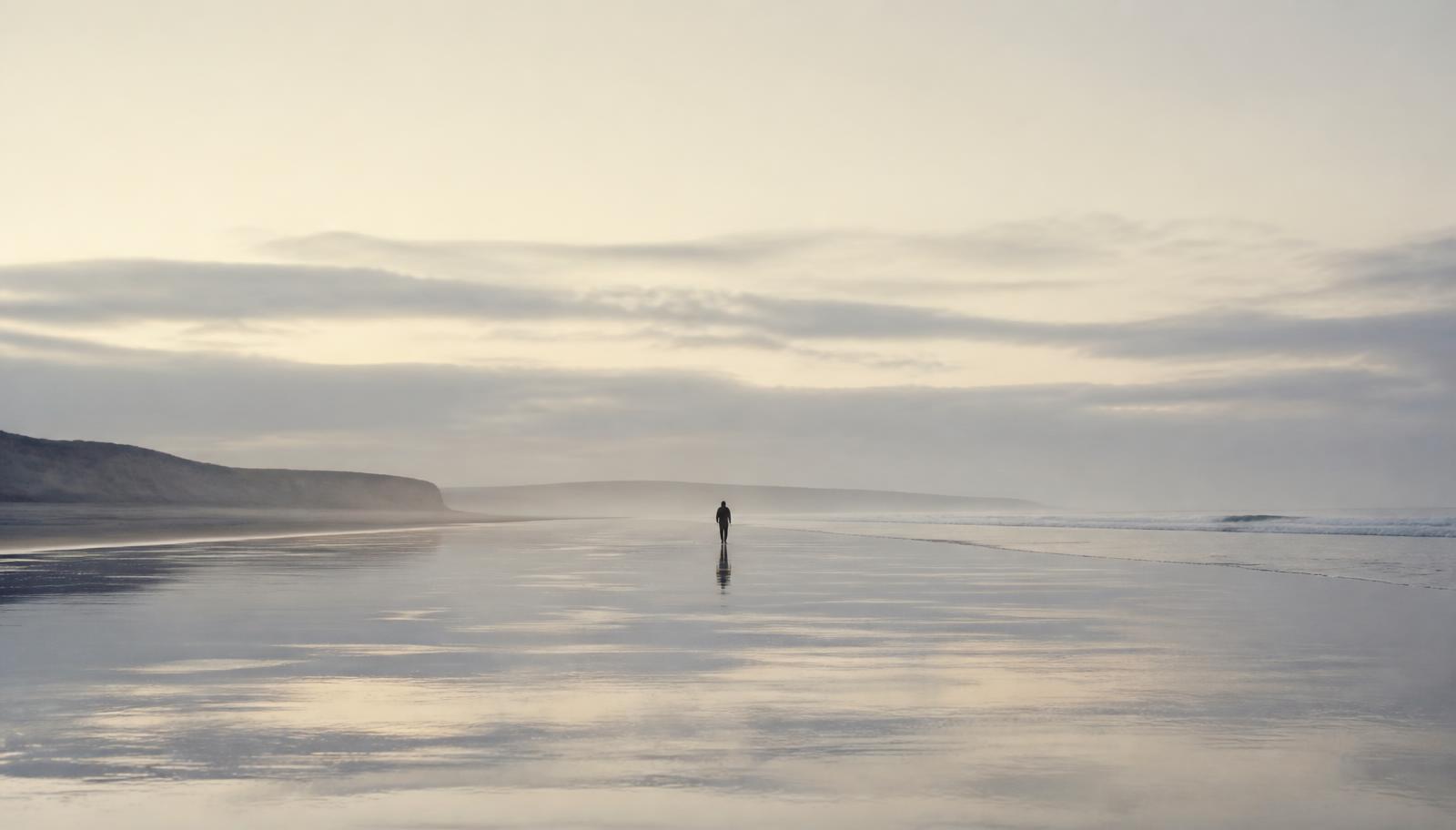
“Until I was thirty, I lived what I took to be a fairly linear life.”
Chapter one
Before
Until I was thirty, I lived what I took to be a fairly linear life. Work that demanded a lot but gave a lot back. Friends I had known for years. A relationship, plus plenty of sport. A rough plan for the next ten years — the kind of plan you never write down because you assume it goes without saying.
Without ever saying it out loud, I believed life was something you could steer. Effort in, results out. That reality had never really let me down, so I never questioned it.
Chapter two
The disruption
Then came a period I still find hard to capture in one sentence. It did not arrive as a single event. It arrived as a slow tilt that suddenly became a fall.
Words entered my life that had never belonged there: Psychiatry. Bipolar disorder. An institution. Benefits. Financial guardianship. Someone else signing for the things I used to decide myself. A room that was not mine. Days divided into appointments.
The hardest part was not the diagnosis. It was watching the person I thought I was become unrecognisable — to others, and then to myself. Losing control is one thing. Losing the story you told about your own life is something else.
Chapter three
The recovery
Recovery, like life, is not linear; it is a matter of falling down and getting back up. Every time I thought I was ‘almost there’, something happened that forced me to take a few steps back and carry on from there. But you never start from scratch in your recovery, I have learned. You always carry the lessons of the past with you.
In the years after my disruption I had therapy within regular healthcare, spoke with coaches, and went back to school to train as a peer support worker, a course I successfully completed in 2023. At the Recovery Academy where I am active I have learned a great deal about recovery myself — and by now I also mean a lot to others there.
Chapter four
The surf
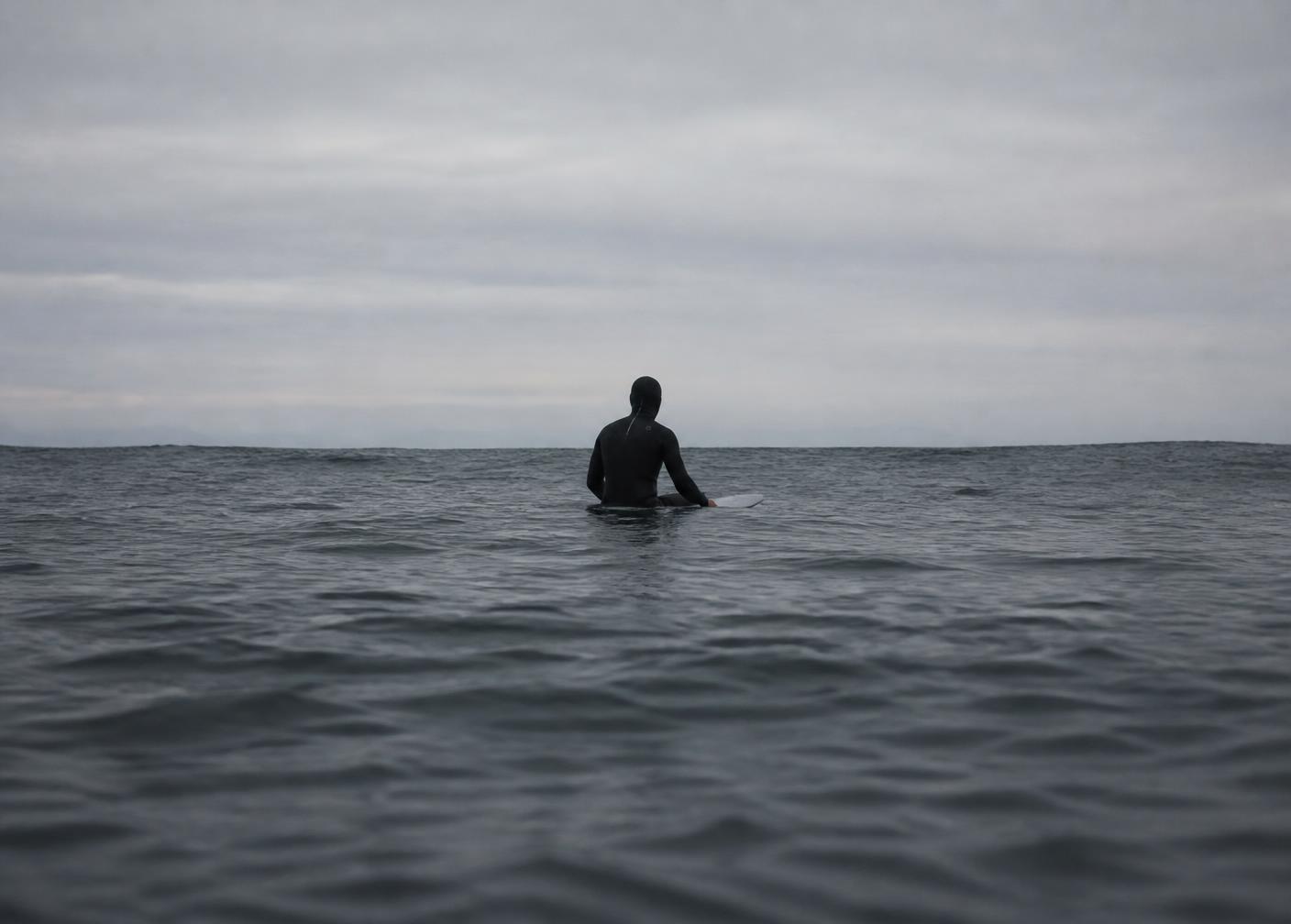
During my recovery I learned about the different phases of recovery, which I came to compare with surfing ‘real’ waves at sea (I used to surf for a while). One moment you are ‘surfing’; the next there is the ‘wipeout’ (the disruption). Instead of getting straight back up and paddling towards the next wave, hoping to be ‘surfing’ again soon, it is essential to rest first and wait for your moment. Sometimes that takes a few months, sometimes a few years. You cannot tell in advance. It depends on how great the impact of your disruption was and how mentally resilient you are. The recovery process also looks different for everyone.
Today I am an expert in recovery, and in turn I would like to use that experience to support others through their own recovery.